
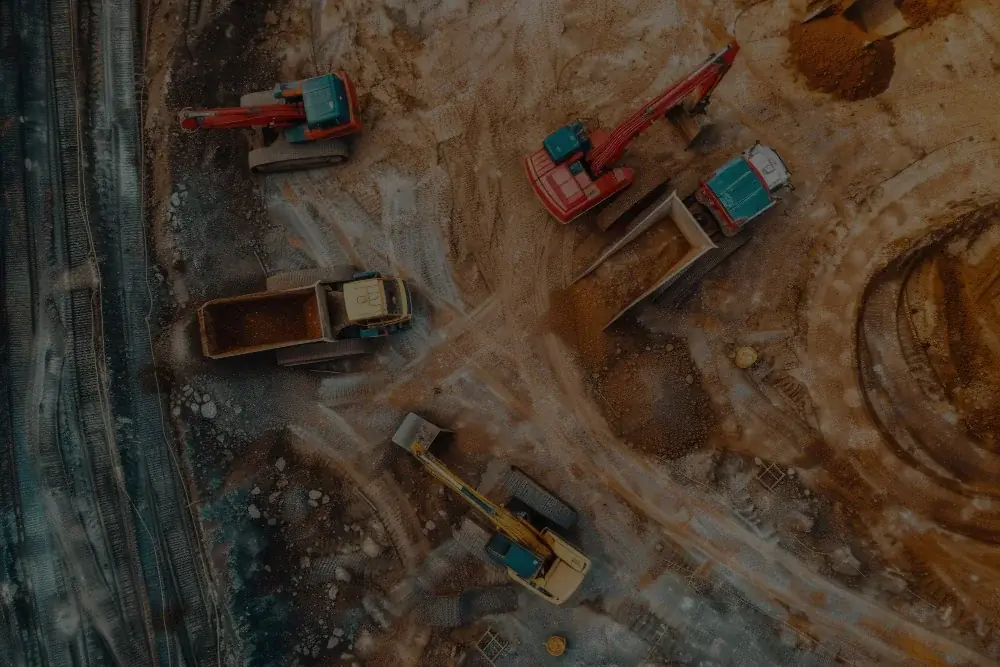
Lichtenburg alluvial field · North West, South Africa
Mining diamonds without chemicals
Three licensed mines on the richest alluvial diamond run of the last century. Around 3,500 carats recovered in the 2018 bulk sample on Diamond Lakes.
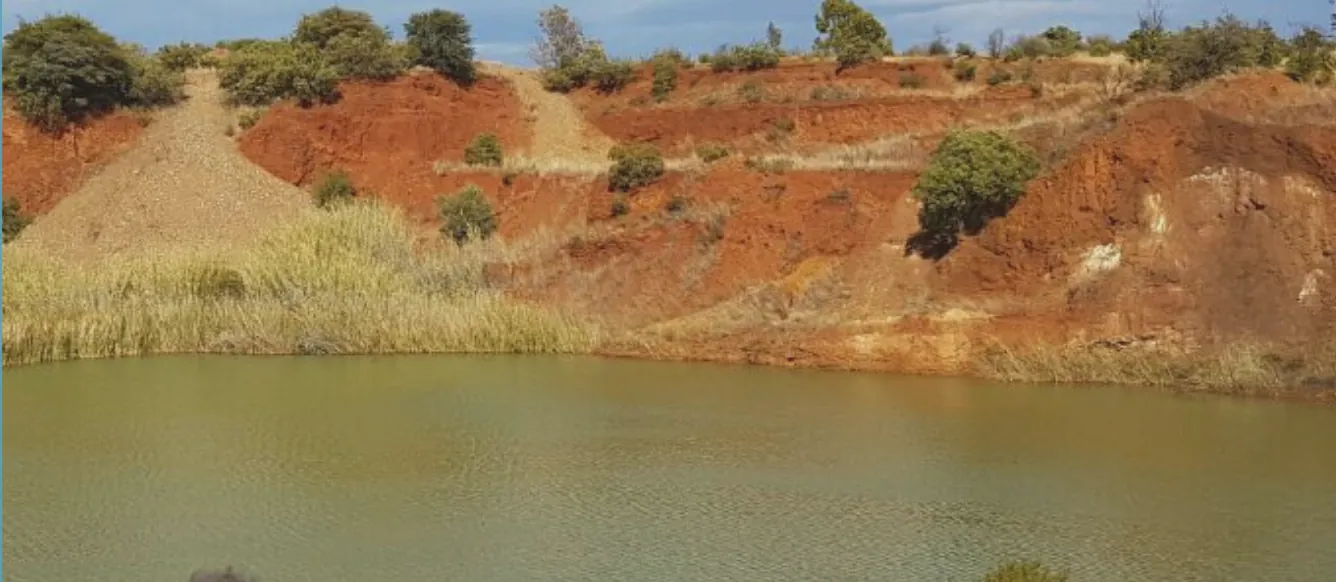
The ground
Three licensed mines on one alluvial run
All three sit on the alluvial diamond run north of Lichtenburg in North West Province — ground that has produced diamonds for a century.
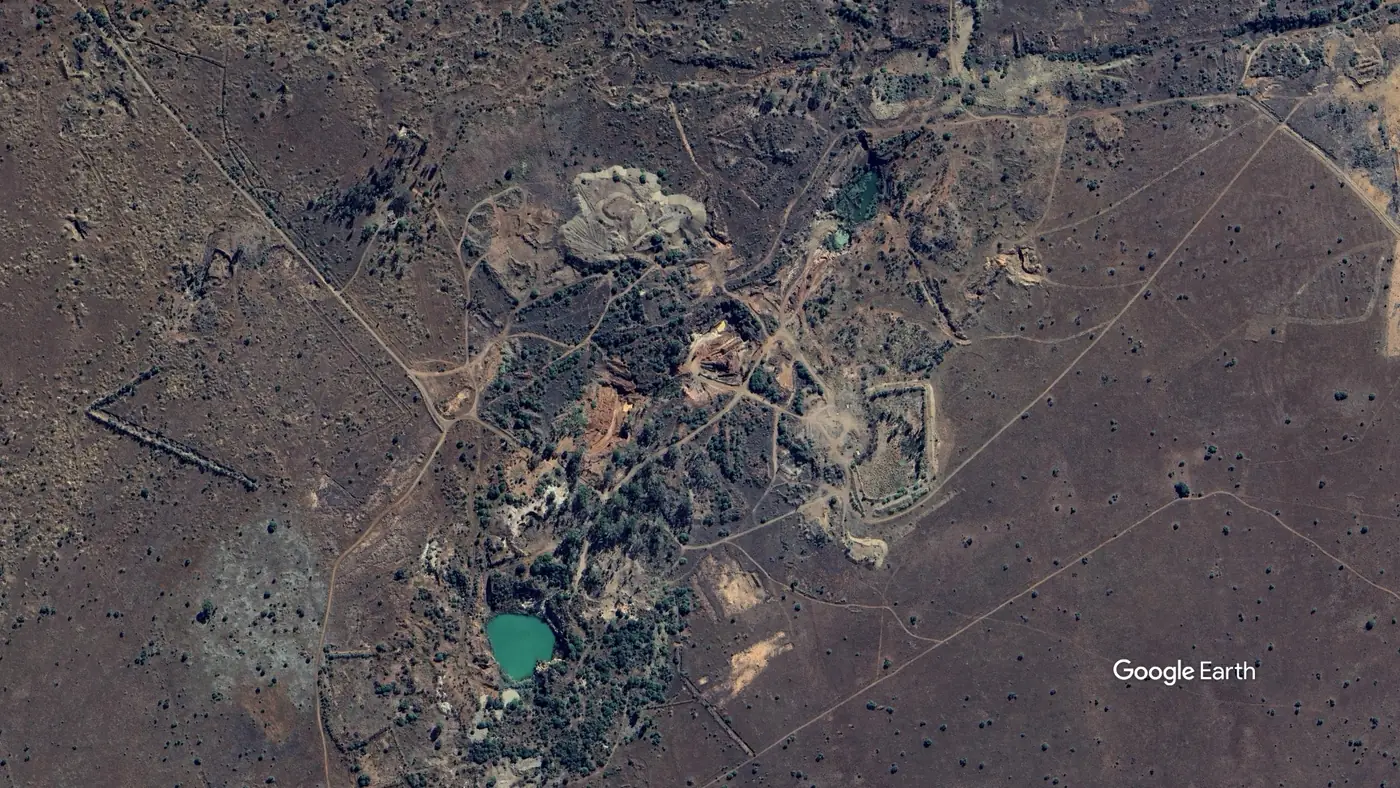
Diamond Lakes
Pienaars Pothole and the surrounding virgin gravels, worked by dredger. Site of a recorded red-purple diamond recovery.
Mat Roux and Sons
Diamond gravels plus high-grade manganese deposits to the south, with a contractor on site scaling toward export volume.
Better Life
Developed on a community-benefit model funding education and local social development alongside equity returns.
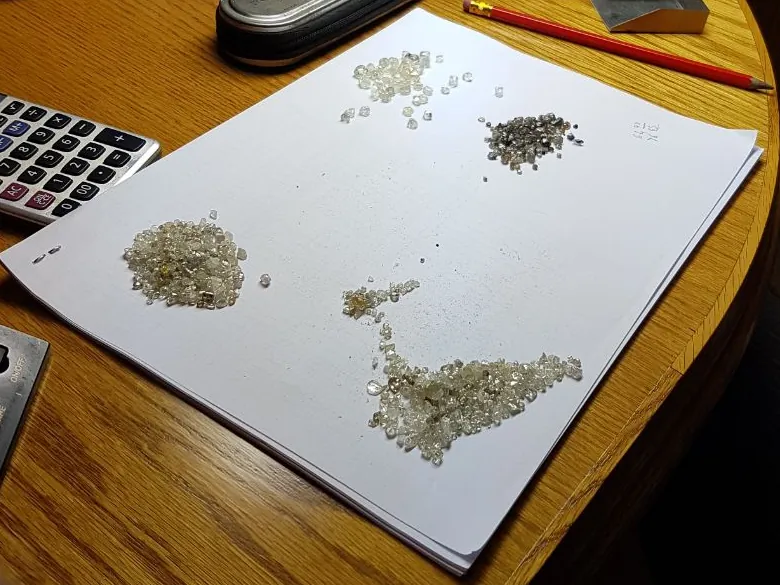
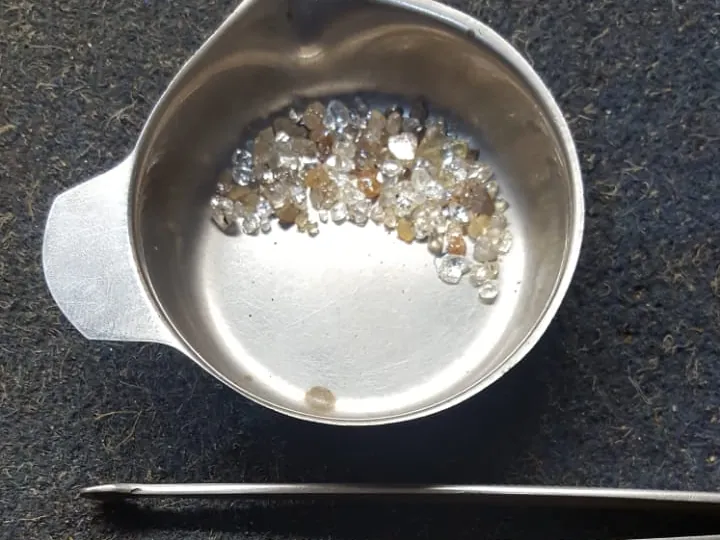
In Pursuit of Dragon's Blood
A century of production, and an unlocated source
Diamond Lakes has been surveyed by several of the most senior diamond geologists in southern Africa, is the recorded site of one of the few documented red-purple diamond recoveries, and holds gravels to a depth of 80 metres that have not been worked. The kimberlite source has never been located.
Method
Electrically powered recovery. No chemicals, no blasting.
The dredger provides access to gravels that remained technically and logistically inaccessible through nearly a century of mining in this field. Recovery uses no chemical reagents, and the electrically powered plant replaces a diesel earthmoving fleet, with the capacity to run from a mini solar grid on site.
“Bloodless” refers to the recovery process, and to provenance: every stone is traceable to a licensed South African mine.
How the dredger works- Chemicals used in recovery
- None
- Blasting
- None
- Power source
- Electric, solar-capable
- Resources extracted
- Diamonds, manganese, agates, crushed stone, building sand
- Years mining this field
- 50+
Impact
Mining income applied to African education
Mineral extraction in Africa has historically returned the greater part of its value to interests outside the continent. Mining capital is applied here to two ends: investor revenue from environmentally sound operations, and income subsidising student education across Southern and Eastern Africa.
Read the impact report- Scholars supported
- Target 500 by end 2026
- Community revenue share
- Better Life model
- Reporting
- Annual, against target
Leadership
Directors
Dr Navin Naidoo
Founder & director. Director of all three mines since 2006. Medical doctor and lawyer.
Theo Roux
Operations manager & director representative. Responsible for day-to-day operations across all three mines.
Due diligence
Supporting documentation
The business plan, advisory material and licence documentation are listed on the documents page, available to read in the browser, to download, or on request, so that statements made on this site can be verified against their source.
Register your interest in investing
Tell us who you are and the administration team will come back to you within five to seven working days. We hold only what you type into the form.
Register your interest